





Top 4 Best Practices for Springtime Magnolia Care
March 28th, 2026
Essential Steps for Every Homeowner, According to Experts
Yay, Springtime!
Between the warm breeze, the melted snow, and your frequent bouts of “ah-choos,” nature is making one thing abundantly clear: winter is officially over. It’s a time of sunshine and rainbows – a more than welcome change after so many months of cold, grey, and barren branches. The polar vortex at the start of February this year had many of us chilled to the bone, so this weather really couldn’t come fast enough.
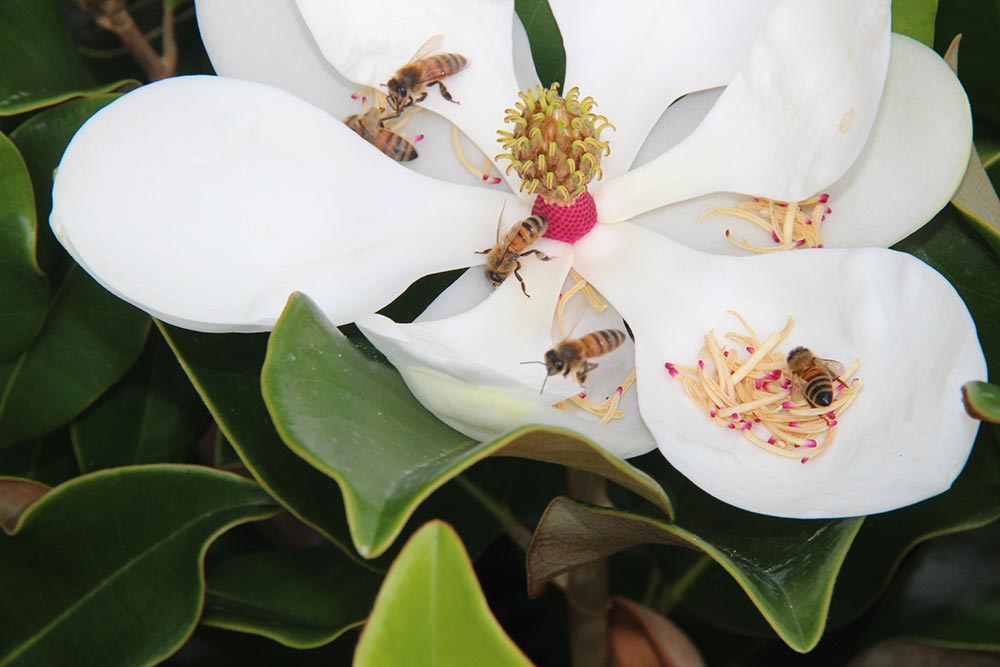
After such a harsh midwinter, your plants might still be more a little… traumatized… especially if you live in the south. Northerners (and their plants) are built for snow and ice, but for those of us accustomed to 70-degree Christmases and only a couple days a year that drop to within a few days of freezing, our flora and fauna haven’t quite recovered. Some of our beloved leafy friends didn’t make it out of that cold snap… from years-old front yard magnolia trees to newly resident shrubs, they all took a frosty beating. Now that it’s warmer, we’re in recovery mode.
Here on the farms at The Magnolia Company, we’re right there with you. So, what should you do to help your plants (especially those gorgeous magnolias) make a comeback this season?
Let’s get into the 4 essential steps, according to our Magnolia Company experts!
1. Last Call for Pruning!
After taking cold damage (or damage of any kind), it’s incredibly important to prune the damage from your trees.
The best time to do this is in the winter, when the tree is in a dormant state. Dormancy for trees is a lot like being under anesthesia for us, so the tree is under less stress during procedures like pruning during that time. While most species of magnolia are evergreen and maintain their beautiful foliage during the winter, they do enter their own form of power-saver mode. They’ll maintain what they have, but most of their growth and energy gets directed toward their root ball underground, not to their body or foliage.
The last opportunity to do your pruning work is early spring… which is now! Your magnolias are starting to come out of their deep sleep, so you’ll want to be done with the stress of pruning by the time they’re fully out of their annual dormancy.
Don’t be afraid to be aggressive with your pruning. Dead branches, damaged areas, and anything unruly that you want to trim? Go for it. You may also want to prune some foliage from the innermost boughs of your tree to encourage good circulation – this is preventative care against any fungi that may take advantage of trapped moisture from the impending rainy season.
Matt Roth, the resident plant expert at The Magnolia Company, recommends that you prune hard! The harder you prune, the thicker the flush your tree will put out when its growth season hits.
2. Fertilize
Your magnolias are waking up from a very, very long nap, and they’re about to have a growth spurt. They’re going to be hungry! Now is the time to get their “breakfast” ready.
Go to your local home improvement store (shop small if you can!) and pick up a slow release tree & shrub fertilizer. Don’t worry too much about the nutrient ratios; magnolias aren’t picky and tend to be very hardy. Any general tree & shrub fertilizer will do. The thing to be on the lookout for is that “slow release” part.
A slow release fertilizer is like a 5 course dinner – the nutrients are released slowly over time, so the tree gets what it needs for the next 6 months as it needs the nutrients to be available (instead of all at once). These fertilizers are a little more expensive up front, but you’ll use far less over time. They’re also better for the environment!
3. Preventative Weeding & Mulching
Weeds love to hang out under the shade of trees. It’s the goldilocks zone of sunlight, and because you fertilize, there’s plenty of available nutrients to grow. Odds are, you water your trees regularly, too, so it’s a buffet for the little guys!
But, for aesthetics, most folks don’t appreciate weeds around their trees. The solution is a 1–2 punch: weed what you see, then mulch, mulch, mulch!
The first and most important step is to pull the visible weeds. As you do this, make sure you get their root systems. Anything left behind has the potential to continue growing, so be thorough. Turn on your favorite music, invite a friend, and hop to it!
After you’ve thoroughly weeded in a 5-8ft radius around your tree (we’re looking to adequately weed above the root ball), it’s time to mulch. You can use pine straw, fallen magnolia foliage, or traditional mulch. Mulch serves two main purposes: it chokes out any future weeds that might be thinking of making an appearance, and it helps the soil retain water by preventing evaporation. You’ll save on your water bill while enjoying a low maintenance yard!
The one thing to know about mulch: always leave an unmulched radius around the base of the tree trunk. Mulch traps water, and too much mulch in contact with the tree trunk and its large surface roots is a fungal risk. Leave 1-3 feet (depending on the size of the tree) mulchless from the trunk, outward. Happy mulching!
4. Adjust Your Watering Schedule
Pour your tree a “cup of coffee” to help it wake up as the weather warms! Now that your magnolias are coming out of dormancy, they’ll be thirsty.
If you were watering once every three weeks during the winter, it’s time to water once every two weeks. As the weather continues to heat up into the summer months, you may need to go to a once a week schedule.
Your tree will let you know how much water it needs. Yellowing, droopy leaves are an indication of too much water, while crispy or spotted (blistered) leaves are indicative of too little.
One note here: it’s perfectly normal to notice a significant amount of leaf drop at this time. As your tree begins to push out new growth, mature leaves will drop from the branches to make room for the new ones. Stay the course with your watering schedule, and you’ll be good to go!
Yes, it’s that simple!
Spring magnolia care is easy, and it sets you up to enjoy gorgeous blooms throughout the warm months. Make a day of it and enjoy your time spent with nature! Happy Gardening!