
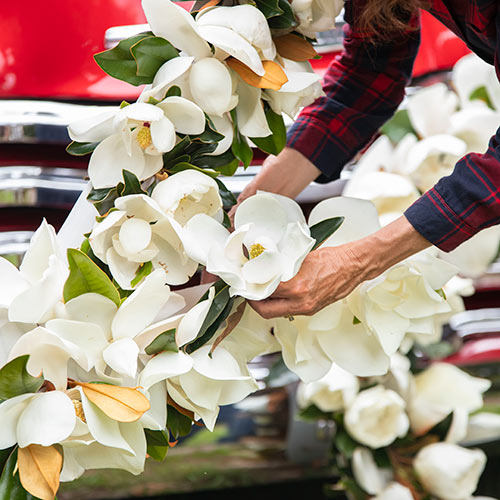
Plant Profile: The Gardenia
September 4th, 2026
Do’s, Don’ts, and The Complete Care Guide to Gardenias
Your Grandmother’s Favorite Plant
The gardenia is a tried and true garden stunner. Between its classic, elegant blossoms and breathtakingly sweet fragrance, it’s a bucket list plant across the world.
Unfortunately for new gardeners, gardenias can be a little… picky.
Not to worry! It’s like baking a cake: once you know the recipe, it’s easy and oh-so-rewarding.
So… let’s get you the best “recipe” there is around for the happiest gardenias you’ve ever grown!
Meet the Gardenia
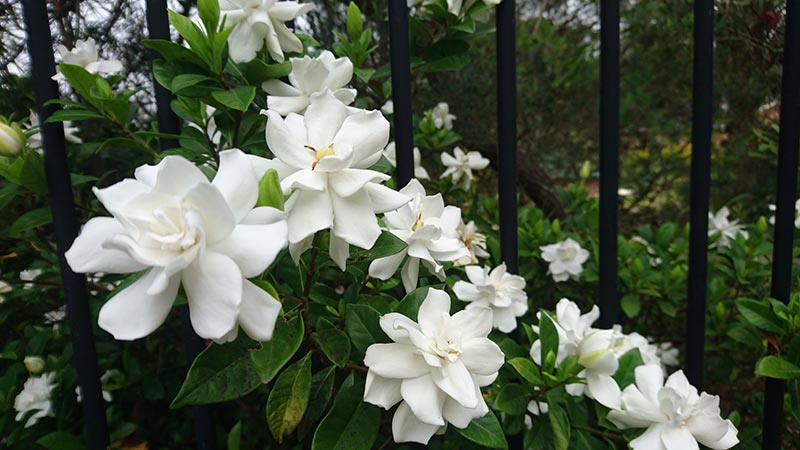
Getting to know your plant is like getting to know a new friend – you want the details! Here are your rapid-fire quick facts.
Origins: There are many species of gardenia, so it’s no surprise that this plant has multiple homelands: Asia, Madagascar, the Pacific Islands, Africa, and Australia. As a member of the coffee family, the genus was named for Alexander Garden, a Scottish naturalist.
Appearance: Shrubby, with dense evergreen foliage punctuated by seasonal blossoms
Foliage: Dark green, shiny, and your grandmother’s favorite for a reason
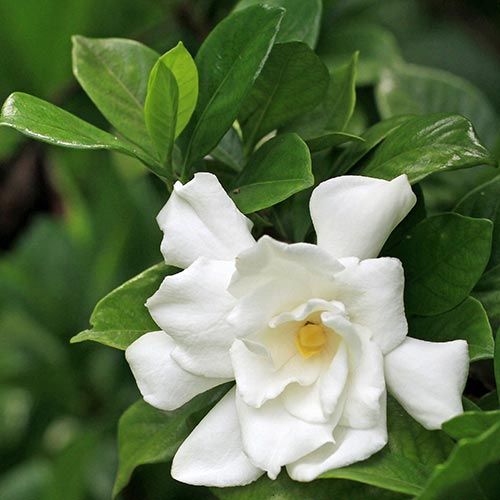
Flowers: Rose-like blossoms that boast timeless ivory petals in late spring through early fall
Fragrance: A signature warm weather scent that’s most potent at dawn and dusk
Stature: 3-8 feet tall for standard varieties, but dwarf varieties will stay around 2-3 feet tall
Hardiness Zone: Zones 7-11 when kept outdoors
Super Power: Scent! A 2010 study in Germany found that exposure to the scent of gardenias for a prolonged period of time had the same effect on human brains as leading sedative, sleeping, and relaxant medications. Basically, their scent is like natural olfactory valium with zero side effects!
Kryptonite: Indoor environments! These shrubs are dramatic, picky, and notoriously persnickety about their care when kept indoors. They’d rather be showing off for the world to see outside, where they’re lower maintenance. If you want to keep yours inside, you’ll need to be dedicated, observant, and strap on your detective hat!
A Note From Our Resident Plant Nerds: Gardenias aren’t a beginner gardener’s plant, but with a diligent eye and teaspoon of patience, you’ll master their care before you know it! These plants are great teachers for gardeners who want to become proficient in deciphering your plant’s silent cues and clues.
Your Best Friend: The Basics
Sunlight, water, soil, and all the real stuff that’s part of your gardenia’s daily care: time to dial it in.
The Great Outdoors
Ever important to any new plant’s care is the “where.”
If you’re planting outdoors, look for a spot that gets good drainage but doesn’t completely dry out on a hot afternoon. Dappled shade or partial sun will be your best friend.
Note: Check your zone. The USDA website breaks down the USA by climate conditions, and each set of conditions makes up a zone. If you live in Zones 7-11, your gardenia will thrive outdoors (cooler regions will want to consider bringing them inside for harsh winter conditions, though). If you live in a cooler climate, you’ll need to take care of your gardenia indoors.
Indoor care? Same idea. Good drainage and bright, indirect light is your best friend! Keep this cutie near a window or invest in a timed grow light for best results.
Moderate, Indirect Sunlight
Gardenias like sun, but not too much. Give them 4-6 good hours of morning sun, followed by partial afternoon shade to shelter them from the heat.
If you’re caring for your plant inside, pick a window that gets plenty of morning sun or receives consistent but less intense light for the entire day.
Brown, crispy leaves are your indicator of too much sun. Keep an eye out and adjust accordingly.
If it’s the blooming season but you’re not seeing buds, your plant probably needs a little more sunlight. Adjust this SLOWLY, so you don’t accidentally scald your gardenia.
Damp, Not Soggy or Swampy
A lot of people go wrong here: gardenias thrive in soil that remains consistently damp.
Damp means wet and well hydrated to the touch – no stiff, dry-sponge textured soil.
Damp does NOT mean soggy. Avoid standing water at all costs, as this will trigger root rot and a whole host of other problems. Wilting is your first indicator of overwatering for gardenias, followed by buds dropping off before they have a chance to bloom.
Once you find a watering schedule that works for you and your gardenia, stick to it! These plants are big fans of consistency.
When in doubt, wait a day and let the soil dry before re-watering.
Acidic pH Soil: 5.0-6.5
On top of ensuring your gardenia’s home has good drainage (achieved by a loosely packed potting soil), you’ll want to keep the soil slightly acidic.
The happiest gardenias have acidic soil year round. Yellow leaves are the usual indicator that the pH for this plant is too far off for it to thrive properly. Your local home improvement store will have remedies for this; compost is also a strongly recommended natural solution!
Temperature
Avoid extremes! Your gardenia loves consistency and moderation, so extreme heat and extreme cold are not going to be its’ friend.
No frost. Ever. Bring it inside or cover with a sheet to try and protect it during harsh winters.
Other Considerations
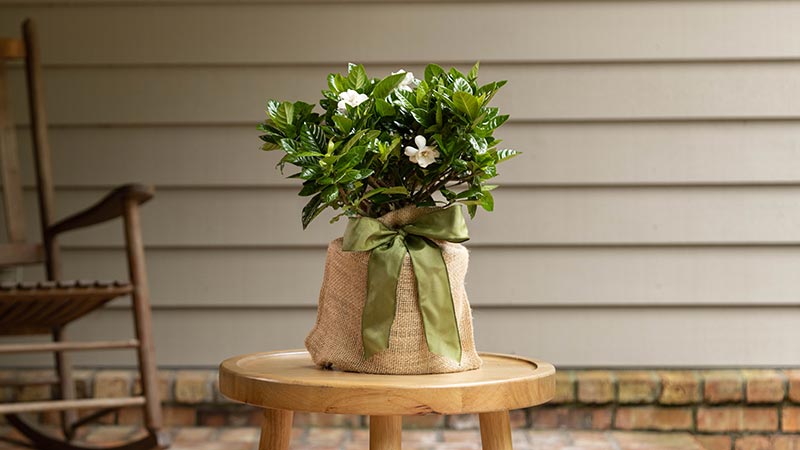
For those of you more experienced gardeners, here are the extra tidbits for best care!
Fertilization
Fertilize every 3-4 weeks with an acidic fertilizer in spring and summer to support blossoms.
Pruning
As soon as the main flowering season is over, it’s time to prune! This will be some time in the early to mid summer.
Remove bulk from the inner parts of the plant to promote airflow, and trim any spent flowers that have yet to drop. Also, remove any dead or diseased parts of the plant.
Unlike some plants, gardenias do not like to be heavily pruned. Remove only what’s necessary for the health of the plant, and shape strategically.
Quit Being a Pest
Gardenias are susceptible to all kinds of pests: aphids, spider mites, whiteflies, scale, and even some fungi, molds, and mildew.
Along with good airflow from strategic pruning and appropriate watering, neem oil will be your best pest solution. It’s a natural nonchemical pest solution that’s very effective at treating the vast majority of pests.
Apply this to the affected area in the evenings, after the harshest sun of the day has passed. This is important because the oil, when in direct sunlight, can burn the plant. Apply this spray once every 2 weeks until your pest problem is no more!
As always, feel encouraged to prune any parts of the plant that seem unsalvageable and have suffered too much damage. This will help it recover faster.
You’ve Got This!
Gardenias might be an intermediate level plant, but that doesn’t mean you can’t do this. They’re absolutely gorgeous and very rewarding to grow!
Along with this guide, you can reach us any time via email or social media message for help with your garden! It’s what we’re here for.
Happy planting! Ready to start? Our gardenias ship straight from the farm.