
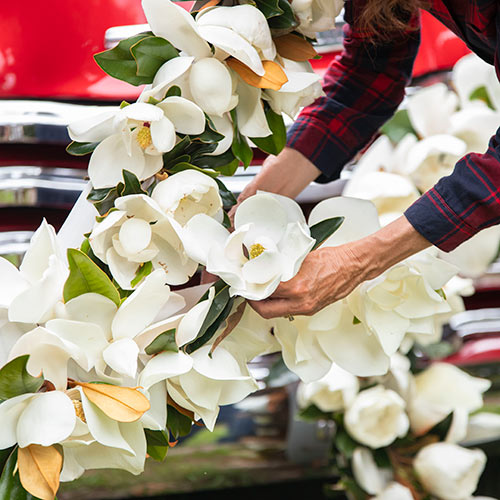
When Florida Freezes Over
February 4th, 2026
Saving Our Magnolias During The Great Polar Vortex of 2026
Snow? In Florida?
Yeah, right.
Everyone knows that when you move to Florida, you can expect a few things: plenty of sun to soak up, a tropical breeze that moves the little umbrella in your cocktail, unhinged news headlines, and of course, hurricane season. When you move to Florida, you’re mentally prepared for heat and rain – and a lot of it. You probably moved here because you want to get away from the cold. No more winter coats, no more blizzards, no more salt trucks and snow shovelling.
So, you can imagine the uproar and surprise by Floridians, both new and native, when a polar vortex parked itself over the southeastern US for a week.
Most of the country knows how to handle the cold. There’s infrastructure and common knowledge for that sort of thing. People own well-rounded wardrobes that accommodate all kinds of seasons. Leaving your sink dripping on cold nights is standard practice and doesn’t really need to be said.
Florida, however, is clueless. We simply don’t get cold.
Ice? Only found in lemonade.
Snow? Only in movies that take place far away from here.
Unless you moved here from somewhere cold, you’ve never thought to leave your faucet on an annoying (but very important) drip overnight. You’ve also never had to worry this much about whether or not you’ll have a garden tomorrow.
Despite all of the whining about being cold, most folks survived the little snow flurries and chilly nights unscathed. Our leafy friends, however, might be a little bit traumatized…
The Great Polar Vortex of 2026
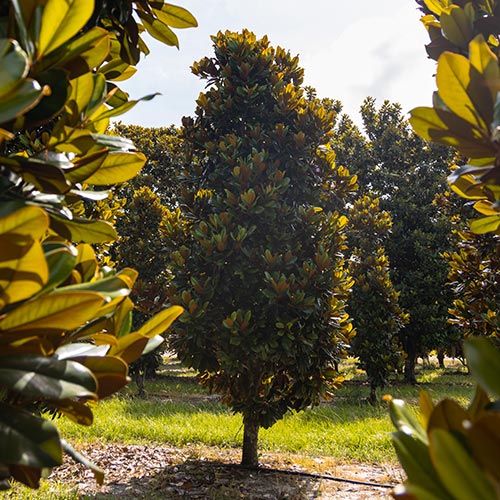
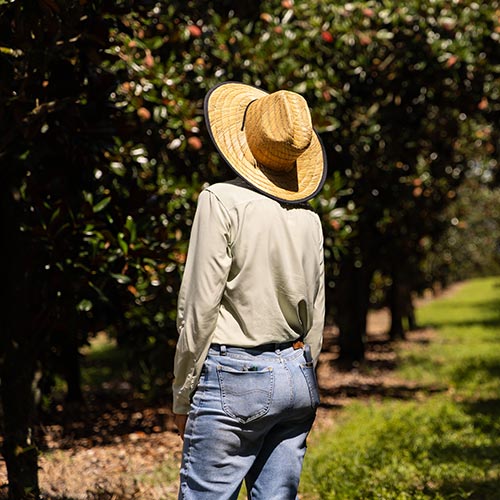
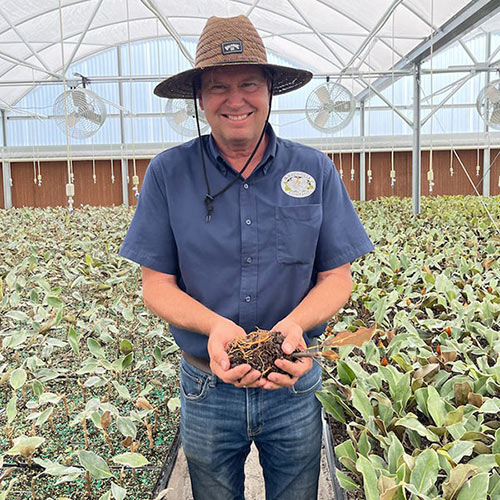
In early February, Central Florida saw record temperatures as low as 23 degrees! Some areas even saw snow flurries. At home and on the farm, resident magnolia expert extraordinaire Matt Roth decided it was time to pull out all the stops.
What are “all the stops?” So glad you asked.
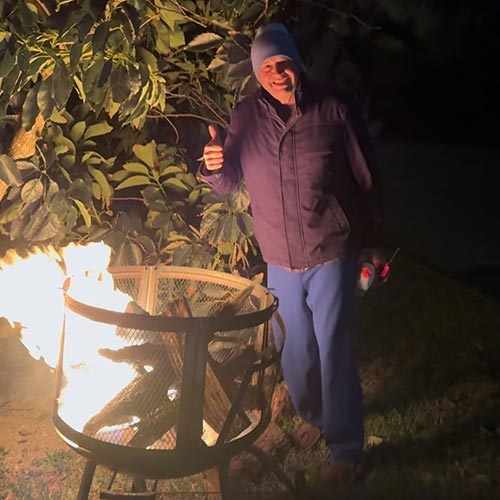
Bright and early at 3am on the coldest night of every native Floridian’s lifetime, Matt rolled out of bed and bundled up. There’s work to be done and trees to save! Thankfully, Matt is an early riser and morning person already – this is just another day in the life for him. Matt’s solution to the cold conundrum was simple: If he can’t bring his beloved trees inside for warmth, then Matt would bring the warmth outside to the trees.
In his yard, Matt constructed a few firepits, making sure the flames wouldn’t pose a hazard to branches above. The wind on this night was blustery, and Florida has been in a drought. This had to be done with utmost care and strategy.
Each firepit was close enough to his treasured trees that the tree would stay above its critical freezing point. While Matt is scientifically minded, this process was his best guess-timation. He piled on the firewood, lit each pit, and prayed that it would be enough. He and his wife, Julie, stayed up till dawn with the fire pits, keeping a close eye on the blazes.
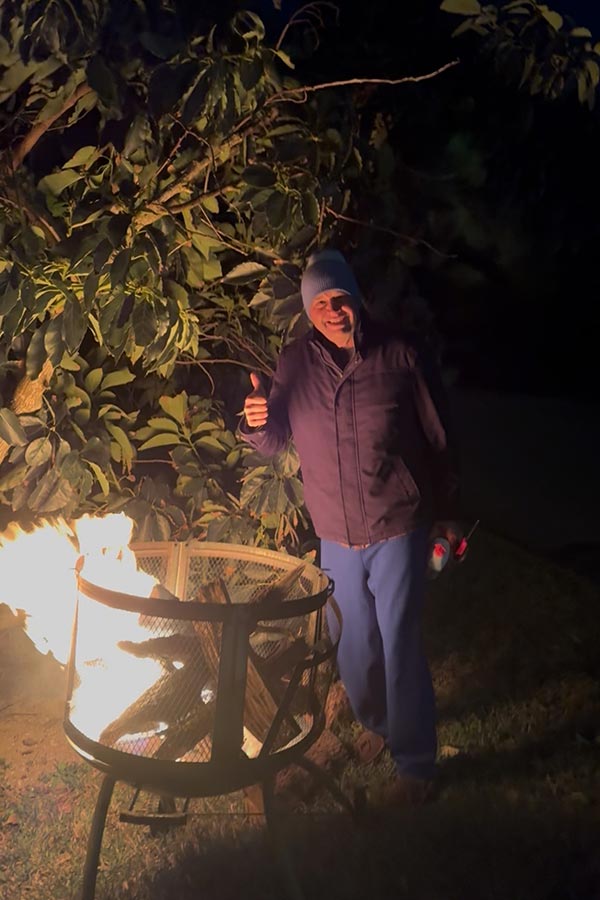
True to the nature of their relationship, Julie and Matt cracked jokes, reminisced on the story behind each tree they were working so hard to save, and danced with each other in the firelight (it’s one of their favorite pastimes). One of these beautiful trees is a 15 year old avocado they grew from a tiny little cutting. That tree is the little engine that could, surviving years of harsh conditions and a cross-country journey! A tree like that holds so many memories, and there was no way the couple would allow this polar vortex to be the tree’s final stand.
When the sun finally broke the horizon, they carefully extinguished the fires and went on to check on the magnolia groves at the farm.
Weeks later, it’s safe to say the avocado tree in their family home survived the cold snap!
How To Prepare Your Plants for the Cold
When you’re a homeowner with palm trees and tropical flowers in your front yard, what do you do when nature pulls a U-Turn on your local climate?
First things first: if it’s potted, bring it inside.
A garage, a sunroom, a porch – anywhere is better than direct exposure to the winds and cold. If it can move, move it.
Okay, now what about the plants that are in the ground?
To be honest, there’s only so much you can do. Here are some helpful tips to give you the best odds at surviving the chill:
- Do NOT water your plants the day before temperatures drop. Any drop water that doesn’t evaporate off of the plant or its top layers of soil is now at risk of freezing. Ice on your plants? Bad news bears.
- Drape a sheet or towel over shrubs before sundown. Remove this towel when the sun comes back out, and redrape for the night. Yes, you’re tucking your plants into bed. It helps shelter them from the wind and prevents ice crystals.
- Wrap moving blankets or towels around the trunks of trees. Even if they sustain damage to the extremities, a healthy trunk can regrow branches.
And of course, for those of you who are particularly dedicated to your trees, you have the option of getting up at 3am to light fires and warm your trees. If you do this, please make sure your area is not under any burn bans. Light your fires responsibly, have buckets of water or a hose nearby, and be vigilant! Coffee helps – just ask Matt!
The Cold is Over… Now What?
Once the cold snap passes, move the plants that were inside back outside and resume your normal watering schedule.
Remove all of your dressings from the outdoor plants and resume your winter watering schedule for them, too.
If you see that a plant took frostbite damage, use a sharp pair of pruning shears or clippers to remove the dead growth. Wintertime is the best time for pruning, and unremoved damage becomes a candidate for rot and disease. Don’t be afraid to prune aggressively to remove the damage. Most plants go into a dormant state during the cold months, so they can handle the stress right now.
Got questions?
Find us on social media – we have an entire Facebook group dedicated to providing you with free expert plant help! Stay warm, Seedlings!