





Plant Profile: The Meyer Lemon
August 5th, 2026
Everything You Need to Know about Caring for Your Lemon Tree
When Life Gives You Lemons…
Pat yourself on the back! That means you’ve got one happy lemon tree.
Lemon trees – specifically, Meyer Lemon trees – are some of the most popular trees in 2026 for homeowners and apartment residents alike. They’re small, easy to care for, and absolutely gorgeous. Tasty, too!
At The Magnolia Company, we love to recommend Meyer Lemon trees as gifts or “starter trees.” It really is the gift that gives back! In a time when we’re all craving a connection with nature, keeping a fruiting tree around is one of the best things you can do to scratch that itch without it needing to become your whole personality (that might happen all on its own as you fall in love with gardening).
So, whether you’re investigating candidates for the newest member of your garden or trying to figure out how to take the best care of a newly arrived leafy resident, here’s the ultimate growing & care guide for your Meyer Lemon.
Meet the Meyer Lemon
Before we dive into care, let’s get to know your new tree with some quick facts:
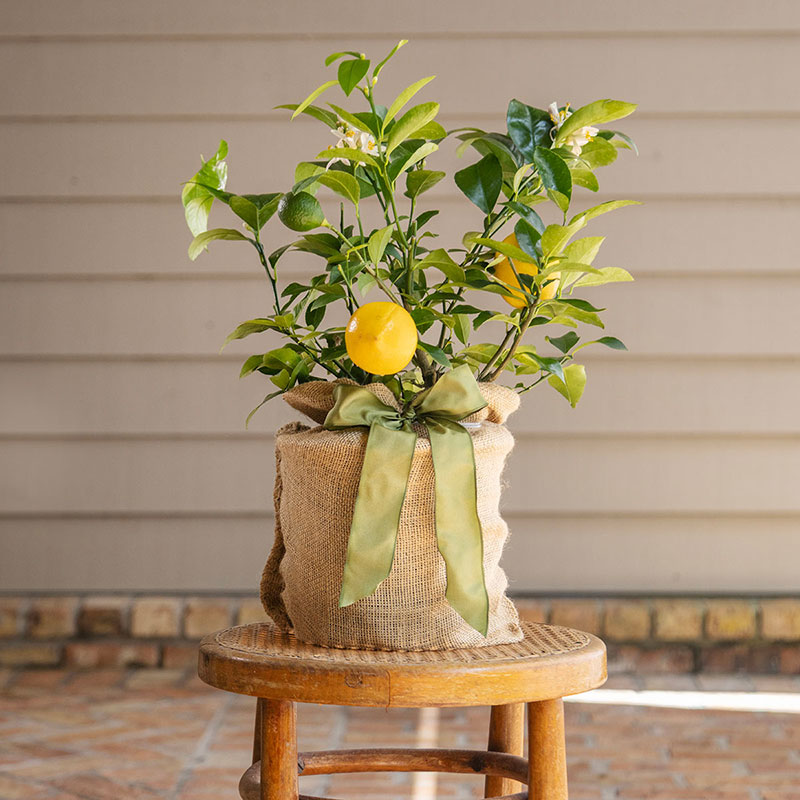
Origins: China; bred as a hybrid between a lemon and mandarin; brought to the states in 1908 by Frank N. Meyer
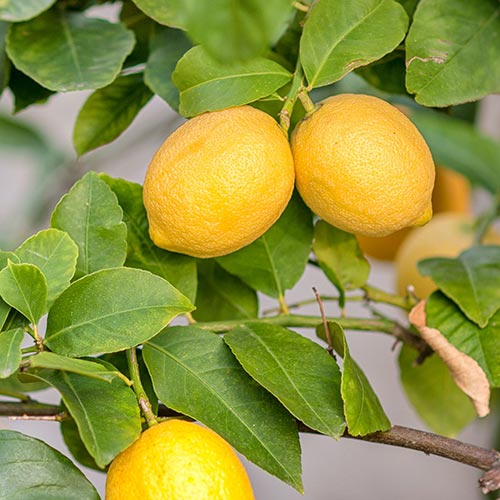
Appearance: Smooth taupe-hued bark covers picturesque V-shaped trunks, adorned by a blanket of luscious foliage on top
Foliage: A true green with a light shine in a classic teardrop shape
Flowers: Small, with slender petals ranging from ivory to pale pink; these are famous for their sweet fragrance and typically appear in the early spring and occasionally in autumn months
Fruits: Notoriously sweeter and juicier than your average lemon and great for culinary treats, you can expect seasonal fruits from mature trees (2-5 years of age, provided the conditions are right)
Stature: Up to 10 feet tall when planted outdoors; capped around 4-6ft when potted
Hardiness Zone: Zones 9-11 for in ground, but they can be grown in Zone 8 in a container
Super Power: High drought tolerance!
Kryptonite: Cold, snow, and frostbite; soggy soil
A Note From Our Resident Plant Nerds: There aren’t many ways to mess up/kill this tree… unless you expose it to the cold. No frost, no snow, EVER. Keep it hot!
Checking the Basic Boxes
Every plant has basic requirements for thriving: sunlight, water, soil, temperature, and location. Let’s break it down so your care will be both dialed in and foolproof!
Location, Location, Location
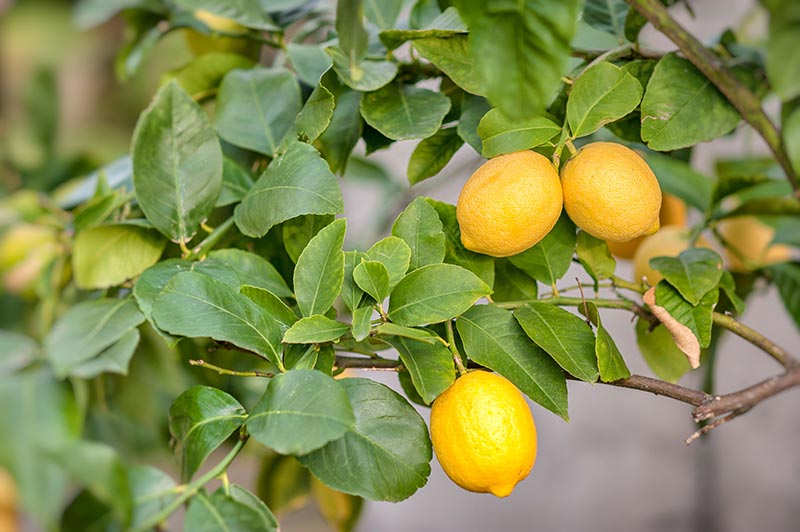
Before we get into light and water, you’ll want to make sure your tree is in the *best* spot for its needs.
Meyer Lemons are great for everyone (yes, everyone) because they thrive both in ground and in pots. The cool thing about this tree is that it will grow within its means. Translation: if it only has a small amount of nutrients and space, it’ll just stay small but otherwise perfectly healthy. If you give it space to sprawl and more nutrients, it’ll grow bigger.
Take stock of the space you have available. Do you want a tree that quietly occupies a corner of your apartment balcony, or would you prefer a backyard feature? Determining this factor impacts how you’ll care for it going forward.
Note: Check your hardiness zone. The USDA website has a hardiness zone map that categorizes the US by climate conditions. If you live in Zones 9-11, you’re a good candidate to plant this tree in the ground. If you live in Zone 8, you’ll be best off growing your Meyer Lemon in a container so you can shelter it during the winter months.
Full Sunlight
Meyer Lemons love to get 6-8 hours of full, direct sunlight each day.
If you’re keeping your tree indoors, you’ll want to place it right next to a bright window that gets sun for the vast majority of the day.
No Wet Feet!
Like you on a hot summer day, Meyer Lemons looooove to stay well hydrated.
But, a word of caution: do not let the soil become muddy or overly saturated. While these trees need moderate amounts of water, they cannot be left in standing water. They’ll get root rot and start looking rough around the edges.
When in doubt, wait a day and let the soil dry out before watering again.
Aerated, Slightly Acidic Soil
Meyer Lemons aren’t terribly picky about their soil.
If you’re just getting started, a well-draining potting mix from your local home improvement store will do just fine! To really check all of your boxes, you could opt for a citrus-specific soil mix.
For those who want to get technical about it, a slightly acidic blend (with a pH between 5.5 and 6.5) featuring peat moss or coconut coir will be your best friend.
Planting a Meyer Lemon in the ground does require a little more savvy. In areas that feature heavy packed clay or sand, you’ll need to mix your native soil with a loose, fast draining soil (like a potting mix or the coconut coir).
The key is drainage. Good air flow from loose soil and good drainage prevents root rot, which is often the secret supervillain that’s ruining your shot at growing a green thumb.
Don’t pack down the soil, regardless of whether you’re planting in a pot or in the ground. Keep it loose!
Temperature: 50-80ºF
Meyer Lemons handle heat beautifully. Unfortunately, we can’t say the same for the cold.
In areas that see annual frosts or snow, you’ll need to plant this tree in a pot. Plan to bring it inside during the cold months.
The Extras
For those of you more experienced gardeners, here are the extra tidbits for best care!
Fertilization: Once every 6 months
Like most trees, a general slow/extended release tree and shrub fertilizer from your local home improvement store will do just fine. Fertilize once after the last frost/before the start of spring, and once again 6 months later before the end of autumn.
Pruning: Winter Only
Prune this tree almost exclusively during the winter, when it’s dormant. Cut off diseased or damaged branches, and don’t be shy.
The general rule of thumb is to avoid pruning more than 30% of the tree’s foliage.
Harvesting: Twist It!
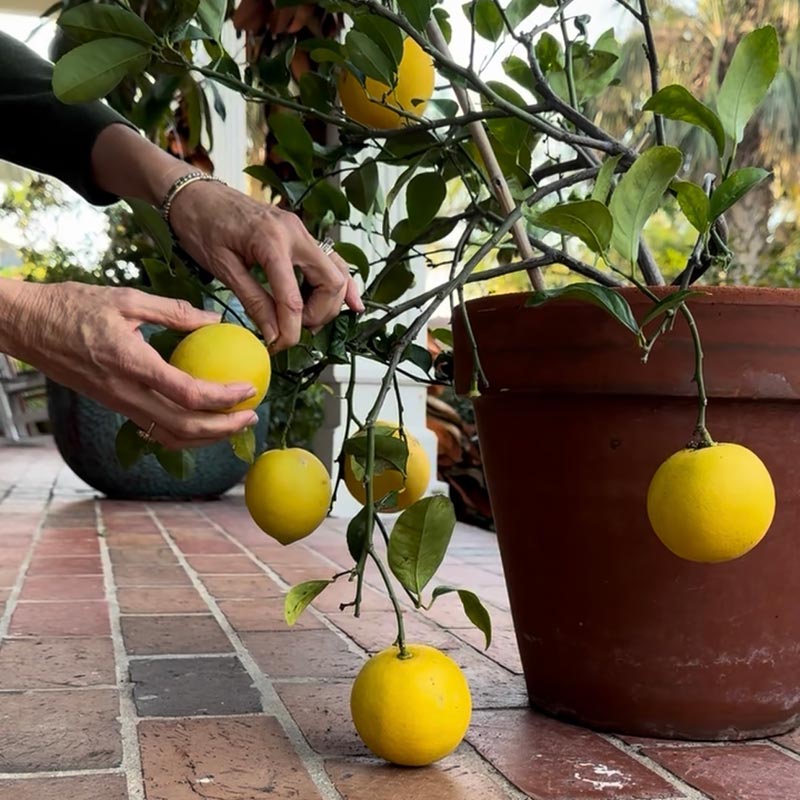
Meyer Lemons reward you for their care once the tree is mature. This can take anywhere from 2-5 years, so be patient, be diligent in your care, and don’t give up!
When you’re ready to harvest a ripe lemon, simply twist it off of the branch. You can also use shears to clip them off, if you prefer. Avoid rough plucking or tugging, which might damage the branch or prematurely drop unripened fruits.
Note: Meyer lemons will NOT continue to ripen after you harvest them, so only harvest fruits that are completely golden yellow and have a little bit of give to them when squeezed gently. The texture should be like that of the muscle beneath your thumb when you make a fist.
Looking for another easygoing, drought-tolerant fruit tree? Our olive trees follow many of the same rules.
Got Pests? Neem Oil.
Meyer lemons can be hosts for some minor pests, like scale and mites. Most insect pests are easily treated with neem oil, an environmentally safe and natural, non-chemical solution commonly found at home improvement stores.
Spray your pests in the evening, then wait 2 weeks and repeat until the problem is resolved.
Neem oil can scald the tree if exposed to direct sunlight, so do not spray in the brightness of the mornings or in the heat of the afternoon.
If your pest problem becomes severe, don’t be afraid to prune the branch, no matter the season, to protect the rest of the tree.
When your Meyer Lemon gives you lemons,
We hope you’ll enjoy homemade lemonade!
Got questions? Email us or DM us on your social media of choice, and our Growing & Care team will help you find the right solution to your gardening query!